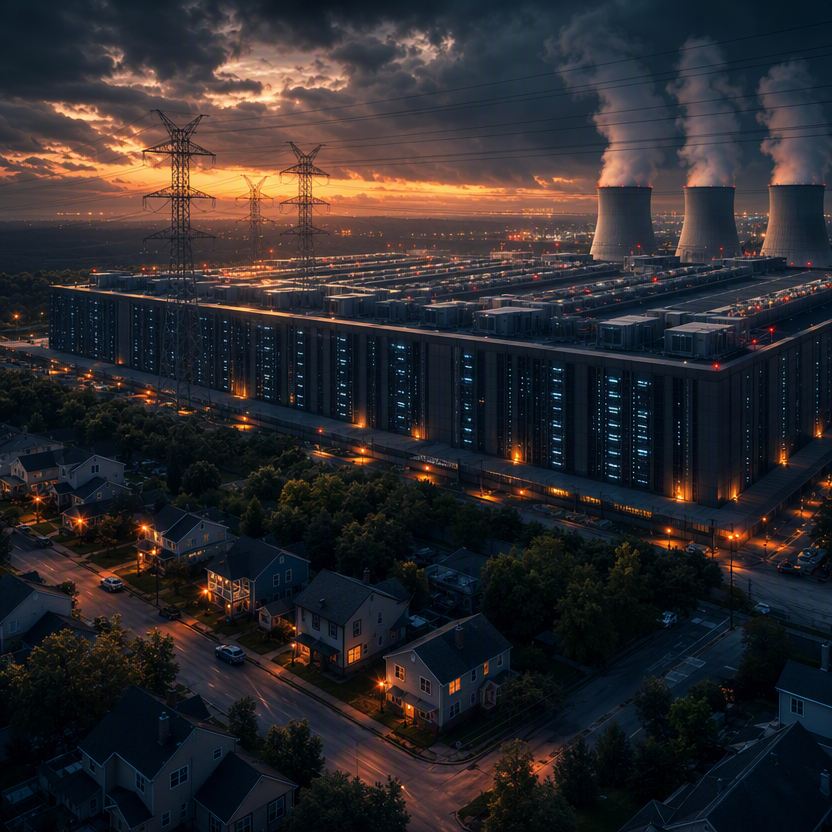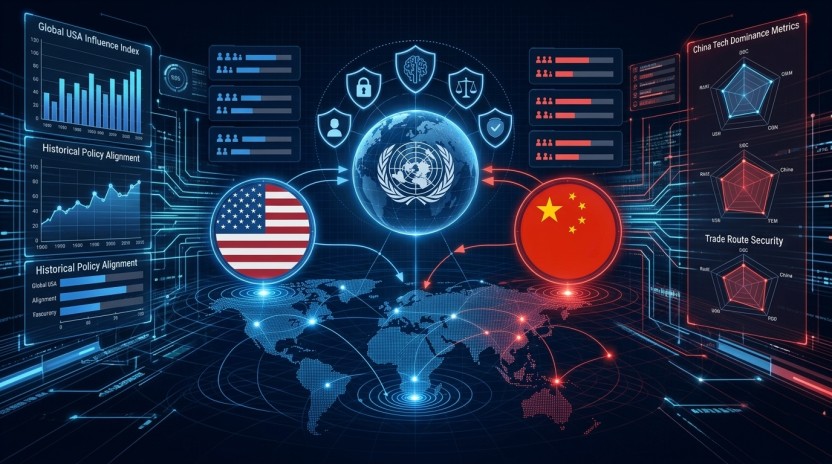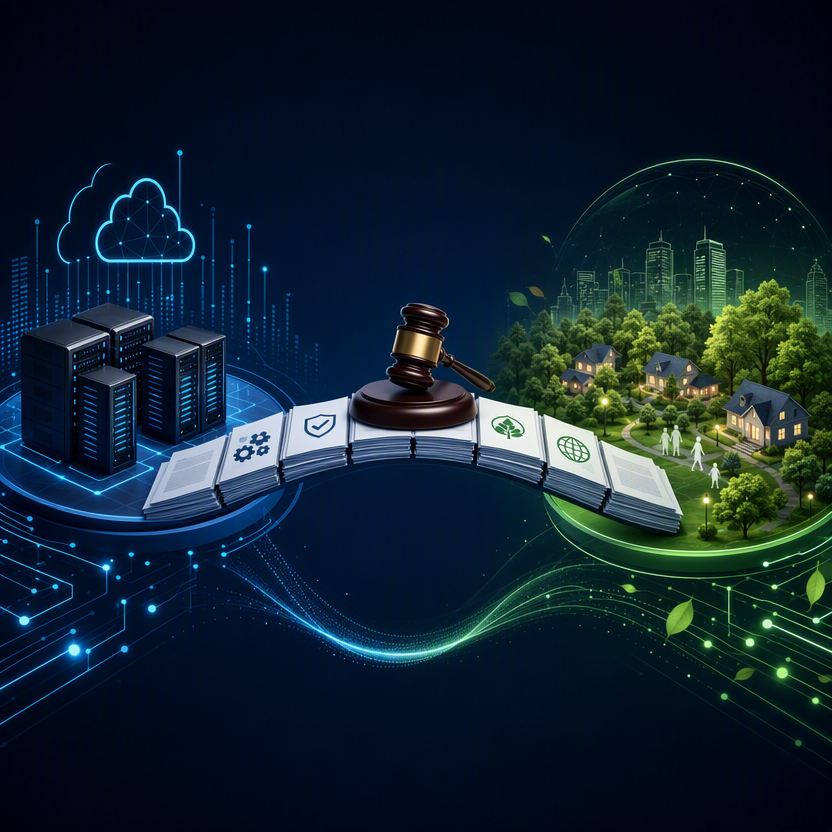
Singapore suspended new data centers over resource concerns, the EU mandates public energy reporting, Germany requires waste-heat reuse. What Thailand can learn before becoming a regional cloud hub.
Thailand aims to become a regional cloud hub. But the country’s data center regulatory framework is still in its infancy compared to international standards. This article maps what leading jurisdictions enforce and the specific gaps Thailand must close.
Singapore: the pause-and-strict-return model
Singapore is the most relevant comparison for Thailand. It imposed a moratorium on new data centers (2019-2022) due to grid and water constraints, then reopened with DC-CFA2 requiring:
- Platinum Green Mark certification
- Minimum 50% clean energy usage
- PUE ≤ 1.25 at 100% IT load
The lesson: economic ambition and environmental constraints must be balanced explicitly, not left to market forces.
European Union: mandatory transparency
The EU Energy Efficiency Directive (recast 2023-2024) requires data centers above 500 kW installed IT power to report energy data to a central European database. The reporting covers energy consumption, renewable share, water usage and waste heat utilization.
The principle: if you cannot measure it, you cannot regulate it. Mandatory public reporting creates accountability.
Germany: waste heat must be reused
Germany’s EnEfG §11 goes furthest: new data centers entering operation from July 2026 must reuse at least 10% of waste heat - for example, piping it into district heating for nearby communities or carbon-capture plants. This transforms data centers from pure consumers into participants in local energy ecosystems.
Thailand’s current gaps
- No "data center" building category - projects file as warehouses, bypassing appropriate zoning and safety reviews
- No mandatory EIA - stand-alone data centers are not listed as requiring Environmental Impact Assessment, even when storing hundreds of thousands of liters of diesel
- No energy efficiency mandate - no PUE reporting or green-mark equivalent
- No water usage oversight - data centers can draw municipal water without restriction in a country facing increasing droughts
- Limited community consultation - residents near data center projects often learn about them after approval
The roadmap for Thailand
- Create a "data center" building category with specific zoning, safety and environmental requirements
- Require EIA for medium and large projects (based on power consumption thresholds)
- Introduce mandatory PUE and energy reporting above a certain capacity
- Set water usage guidelines appropriate to local conditions
- Establish community consultation processes before project approval
- Align with international standards (ISO 50001, EU Code of Conduct for Data Centres)
Conclusion
Becoming a regional cloud hub requires more than building facilities. It requires a regulatory framework that balances economic growth, environmental sustainability and community safety. The international models exist - Thailand can learn from them without repeating their mistakes.
Devsign designs data center and AI infrastructure that meets international standards from day one.