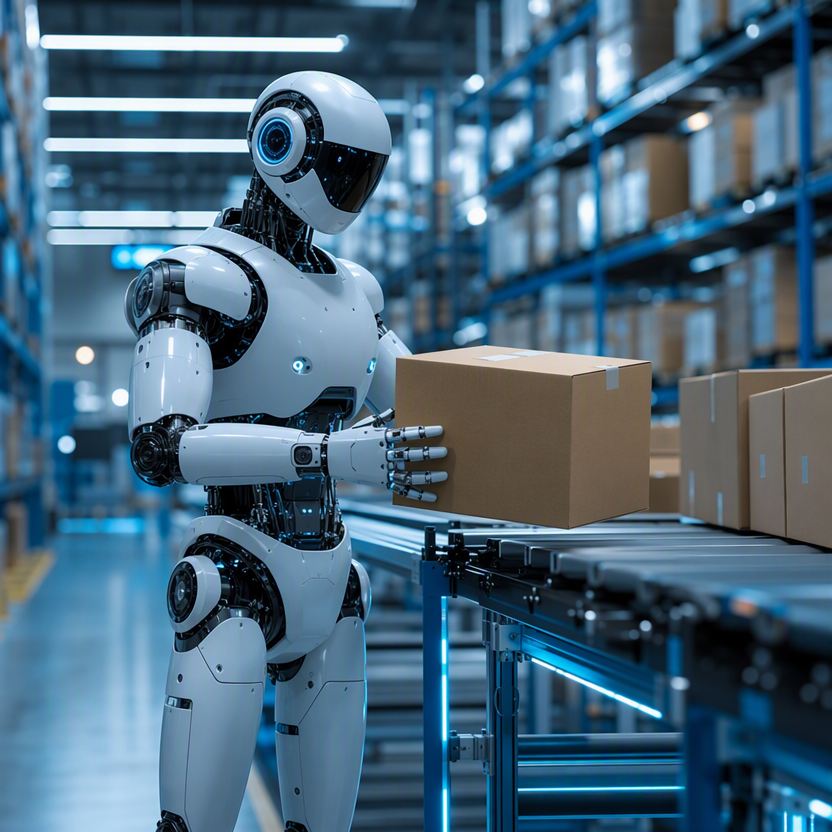
From Tesla Optimus to Figure 02 and Agility Digit - humanoid robots are no longer concept videos. They are picking boxes, moving pallets and working night shifts alongside humans in real facilities.
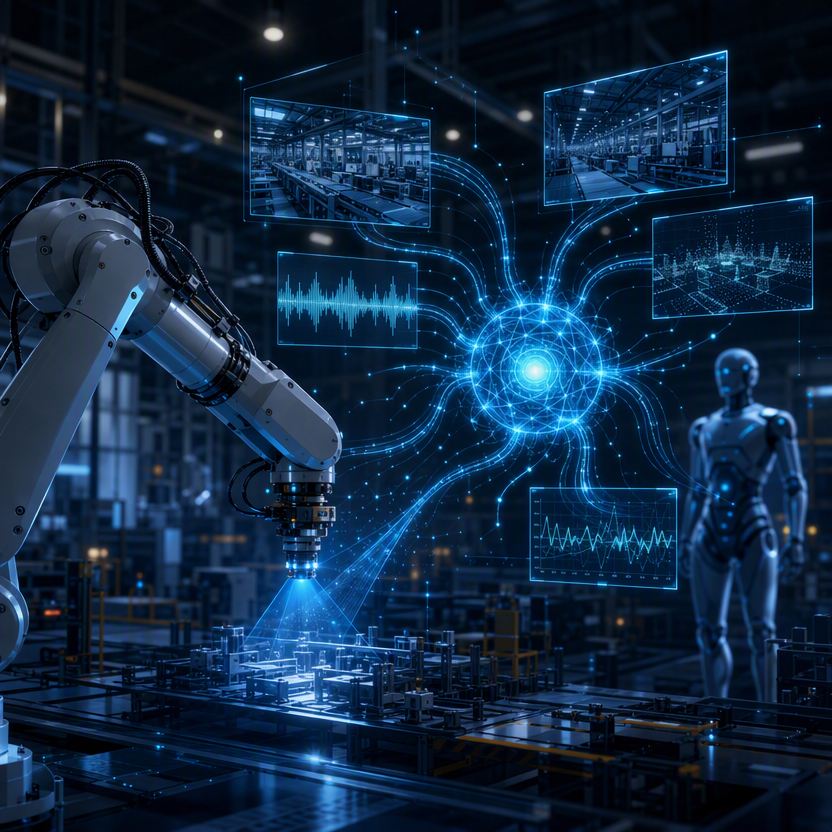
For years, humanoid robots were a CES gimmick - impressive demos that never left the lab. In 2026, that changed. Physical AI - AI systems that understand and interact with the physical world - is now running on production lines and in warehouses.
Who is actually deploying
- Figure 02 - working with BMW in South Carolina, moving parts and loading machines on a real production line
- Agility Digit - deployed across Amazon and GXO warehouses picking and stowing items
- Tesla Optimus Gen 3 - performing material handling tasks inside Tesla factories
- Apptronik Apollo - trialing with Mercedes-Benz for logistics and inspection tasks
What made it possible now
- Foundation models for robotics - large-scale vision-language-action models trained on diverse manipulation data, letting one model generalize to new objects without retraining
- Hardware cost curves - actuators, sensors and compute have fallen enough to make a business case at scale
- Sim-to-real transfer - training in simulation for millions of hours then transferring to physical robots with minimal fine-tuning
What they actually do today
Current deployments focus on structured, repetitive tasks:
- Picking items from bins and placing them on conveyors
- Moving carts and totes between stations
- Loading and unloading machines
- Basic quality inspection with AI vision
They are not yet doing dexterous assembly, complex tool use or navigating cluttered unstructured spaces. The gap between demo and reliable 8-hour operation remains significant.
What this means for Thai industry
Thailand’s manufacturing sector (automotive, electronics, food processing) is exactly where early adoption makes sense. Labor shortages in repetitive roles are real. But the barrier is not just buying robots - it is integrating them with existing systems: WMS, MES, ERP and safety protocols.
Devsign designs system integration that connects robotics, AI and existing enterprise systems into one coherent workflow.